
Effect Of Cistanche Deserticola Polysaccharide On Lymphocyte Proliferation
Mar 21, 2023
Wang Xiangyan, Qi Yun, Cai Runlan, Li Xiaohong, Yang Meihua, Shi Yue
(Institute of Medicinal Plants, Peking Union Medical College, Chinese Academy of Medical Sciences, Beijing 100193)
Objective To study the effect of Cistanche deserticola polysaccharide (CDPS) on lymphocyte proliferation in mice.
Methods MTT assay was used to detect the proliferation of splenic lymphocytes in mice. Cyclophosphamide (Cy) was used to replicate animal models of immunocompromised animals, and the spleen and thymus indices of normal and immunocompromised animals were measured. The activity of interleukin-2 (IL-2) was measured by thymocyte proliferation assay. Results Cistanche deserticola polysaccharide significantly promoted the proliferation of mitogen (ConA and LPS) activated lymphocytes and nonactivated normal cells, and promoted the secretion of IL-2 in lymphocytes. Intraperitoneal administration showed that Cistanche deserticola polysaccharide significantly increased the spleen index of normal and immunocompromised mice, and also had a significant antagonistic effect on the reduction of thymus index caused by Cy. Conclusion Cistanche deserticola polysaccharide can significantly promote the proliferation of splenic lymphocytes in mice, which may be related to its promotion of IL-2 secretion.
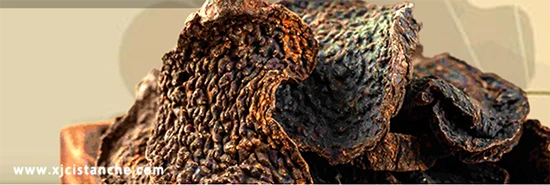
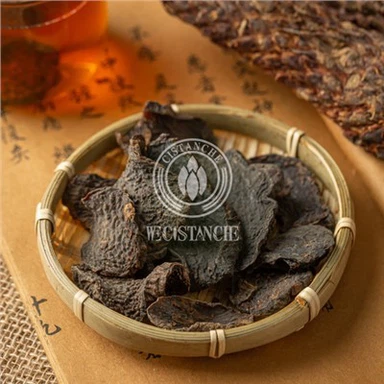
Desert living cistanche
[Key words] Cistanche deserticola polysaccharide; Spleen index; Thymus index; Lymphocyte proliferation; Interleukin-2
Plant polysaccharides have attracted widespread attention due to their widespread immunomodulatory effects and relatively low toxicity [1]. Cistanche deserticola ma,known as "Desert Ginseng", is the scaly, dry, fleshy stem of Cistanche deserticola, a plant of the Orobaceae, which has extensive pharmacological effects. Its water decoction can significantly increase the phagocytic percentage and phagocytic index of macrophages. Further studies have shown that its material basis is the total polysaccharide of Cistanche deserticola [3]. Zeng Qunli et al. [4] have found that a single component of Cistanche deserticola polysaccharide has a significant proliferative effect on mouse thymic lymphocytes in vitro. The effect of Cistanche deserticola polysaccharide on lymphocyte proliferation was observed in vivo and in vitro.
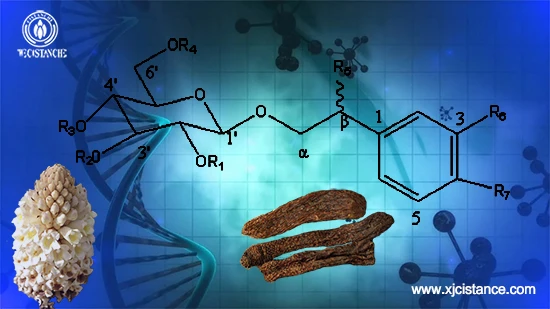
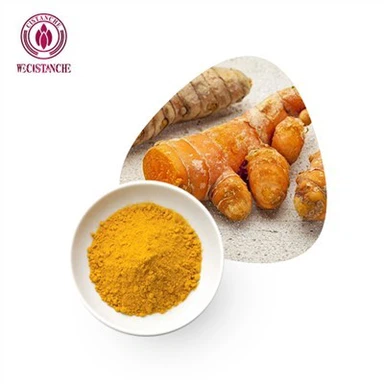
Molecular formula of Cistanche deserticola
1. Material and Methods
1.1 Drugs and reagents
The polysaccharide from Cistanche deserticola is provided by the Plant and Chemical Department of the Institute of Medicine and Planting, Medical College. It is extracted from the Cistanche extract powder, and the polysaccharide content is 87%.
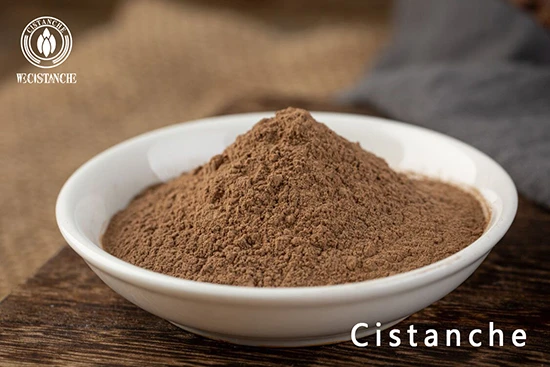
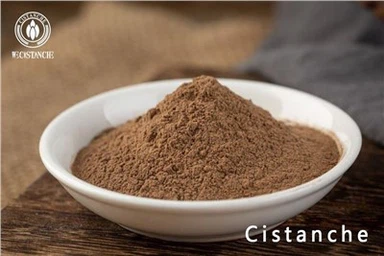
Cistanche extract powder
Before using in vivo experiments, dissolve and dilute with physiological saline to the required concentration, and boil for sterilization. Before the use of in vitro experiments, the RPMI-1640 culture medium was dissolved and diluted, and high-pressure sterilization was performed. Lipopolysaccharide (LPS), concanavalin (ConA), dexamethasone (DEX), and MTT are all products of Sigma Corporation. Cyclophosphamide, a Sino-American joint venture of Shanxi Taisheng Pharmaceutical Co., Ltd. Fetal bovine serum, RPMI1640 culture medium, and trypsin are all Gibco products. Other reagents are domestic analytical reagents.
1.2 Animals
BALB c young mice (SPF level) are provided by Viton Lihua Experimental Animal Technology Co., Ltd. [SCXK (Beijing) 2002-2003]. SPF-grade animals are raised in a room and freely feed and drink.
1.3 Apparatus
Multikan Ascent enzyme marker, a product of Thermo Electron Company, USA. Leici PHS-3B Precision pH Meter, Shanghai Precision Scientific Instrument Co., Ltd. Napco 5410 carbon dioxide incubator, NAPCO, USA. BCN-1360 Ultra Clean Workbench, Beijing Donglianhar Instrument Manufacturing Co., Ltd. XDS-1B Inverted Microscope, Chongqing Optoelectronic Instrument Co., Ltd.
1.4 Method
1.4.1 Effect on lymphocyte proliferation [5]:
Routine preparation of spleen lymphocytes from BALL c mice, using RPMI-1640 to adjust the cell concentration to 1 × 10⁷ mL, inoculated on a 96 well culture plate, with 100 cell suspensions added to each well μ 50. It was co-cultured with different concentrations of Cistanche deserticola polysaccharide (the final concentration of Cistanche deserticola polysaccharide for the proliferation of nonactivated lymphocytes was 6.25, 12.5, 25, 50, and 100 mg/L in order; the final concentration of Cistanche deserticola polysaccharide for the proliferation of ConA-activated T lymphocytes was 3.9, 7.8, 15.6, 31.2, and 62.5 mg/L in order; and the final concentration of Cistanche deserticola polysaccharide for the proliferation of LPS activated B lymphocytes was 1.56, 3.13, 6.25, 12.5, and 25 mg/L in order) and ConA or LPS, RPMI-1640 medium was used as control. The total volume of each hole is 200 μ L, when adding mitogen ConA and LPS (the control is RPMI-1640 containing corresponding concentrations of ConA or LPS), the final concentrations of both are 2.5 mg L and 10 mg L, respectively. Three parallel holes were made for various treatments. Place the culture plate in a 37 ℃, 5% CO2 saturated humidity incubator for 68 hours, add MTT, and continue to culture for 4 hours. Measure the A540 nm value with an enzyme marker using the MTT method to detect proliferation. When comparing each group, convert the A540nm value into lymphocyte proliferation rate according to the following formula: lymphocyte proliferation rate=A sample A control × 100 %。

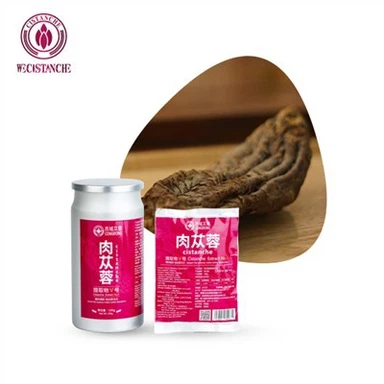
Effects Of Cistanche—Immprove immunity
1.4.2 Effect on the weight of immune organs in normal mice [6,7]:
Young BALB c mice (male, 4-week old, with a body weight of 10-15 g) were randomly divided into a blank control (saline) group and different dosage groups (125 mg (kg · bw) and 250 mg (kg · bw)), with 11 rats in each group. The drug was administered intraperitoneally once a day for 7 consecutive days. The mice were killed after cervical dislocation. The spleen and thymus were taken, fat and fascia tissue were removed, and the surface liquid was dried with filter paper. After weighing, the spleen index=100 × Spleen weight (mg) Body weight (mg); Thymus index=100 × Thymus Weight (mg) Body Weight (mg) Calculate the spleen index and thymus index for each 100 mg of body weight, respectively.
1.4.3 Effect on immune organ weight in immunocompromised mice [7,8]:
Young BALB c rats (male, 6 weeks old, body weight 15-20 g) were randomly divided into 12 groups according to body weight. Except for the normal control group (intraperitoneal injection of an equivalent volume of physiological saline), the other groups were injected with Cy 50 mg (kg · bw) daily intraperitoneally, and the test drug solution was administered intraperitoneally [125 and 250Mg (kg · bw)], the normal control group and the model group were given the same volume of physiological saline for 13 consecutive days, once a day. The changes in animal weight were observed during the experiment. 24 hours after the last administration, the spleen and thymus indices were measured and calculated using the same method as in 1.4.2.
1.4.4 Impact on IL-2 activity:
① Induction of IL-2 [9]: Add 50 to each well in a 96-well cell plate μ L Different concentrations of Cistanche deserticola polysaccharide (final concentrations in order: 3.91, 7.82, 15.63, 31.25, 62.5, 125 mg/L, add 50 mg/L into the control well μ L culture medium) and 50 μ L ConA (final concentration 5 mg/L), add 1 more per well × 106 spleen cells. Incubate in a 37 ℃, 5% CO2 saturated humidity incubator for 24 hours, centrifuge for 20 minutes at 2500 r min, and take the cell supernatant and store it at - 20 ℃ for standby. ② IL-2 activity detection [9,10]: The basic method is based on literature [9], and appropriate adjustments are made according to the literature [10]. Conventional preparation of BALB c mouse thymocytes suspension, 96 well cell culture plate, 1 inoculation per well × 106 thymocytes, while adding 50 cells per well μ L ConA (final concentration 2.5 mg/L), and then add the prepared IL-2 supernatant 50 μ L (add 50 to the blank control hole μ L culture solution), incubate together for 54 hours, add MTT, continue incubating for 4 hours, centrifuge for 10 to 15 minutes at 1000 r min, discard the supernatant, and add DMSO 100 per well μ L, shake with a micro oscillator for 8 min, and measure the A540 nm value with an enzyme marker.
1.5 Statistical Analysis
The data were expressed as mean and standard deviation (x ± s). Microsoft Excel software was used to collate the data, and a t-test was conducted. P<0.05 and P<0.01 were significant differences, both of which were statistically significant.
2.Results
2.1 Effect on lymphocyte proliferation
As can be seen from Table 1, adding Cistanche deserticola polysaccharide to the culture medium of mouse spleen lymphocytes cultured in vitro at a concentration above 25 mg/L can significantly stimulate lymphocyte proliferation, indicating that Cistanche deserticola polysaccharide itself has a mitotic effect. At the same time, it can be seen from Table 2 and Table 3 that CDPS has a significant promoting effect on the proliferation of ConA-induced T lymphocytes or LPS-induced B lymphocytes.
Tab.1 The influence of Cistanche deserticola polysaccharide on the proliferation of nonactivated lymphocytes (x ±s, n =3)

Note :compared with the control group , *P <0.05.
Tab.2 The influenc of Cistanche deserticola polysaccharide on the proliferation of Tlymphocytes induced by ConA (x ±s, n =3)

Note :compared with the ConA group , *P <0.05, **P <0.01.
Tab.3 The influence of Cistanche deserticola polysaccharide on the proliferation of Blymphocytes induced by LPS (x ±s, n =3)

Note :compared with the LPS group, *P <0.05 , **P <0.01.
2.2 Effect on the weight of immune organs in normal mice
As can be seen from Table 4, Cistanche deserticola polysaccharide can significantly increase the spleen index of normal BALB c young rats but has no effect on the thymus gland.
2.3 Effect on immune organ weight in immunocompromised mice
From Table 5, it can be seen that the spleen and thymus organ indexes of mice in the Cy immunosuppressive group are lower than those in the control group, and Cistanche deserticola polysaccharide (125, 250 mg/kg) can significantly improve the spleen and thymus indexes.
2.4 Effect on IL-2 activity
As can be seen from Table 6, when the dose of Cistanche deserticola polysaccharide reaches 7.82 mg/L, it can significantly increase the release of IL-2 from mouse spleen cells.
Tab.4 The effect of Cistanche deserticola polysaccharide on theweight of immune organs in normal mice (x ±s, n =11)

Note:compared with the control group , **P <0.01.
Tab.5 The effect of Cistanche deserticola polysaccharide on theweight of immune organs in immunodepressed mice ( x ±s, n =12)

Note:compared with the control group, ## P <0.01;compared with the model group , **P <0.01.
Tab.6 The influence of Cistanche deserticola polysaccharide on the IL-2 production by splenic lymphocytes in mice( x ±s, n =3)

Note:compared with the control group , **P <0.01.
3. Discussion
ConA and LPS-induced splenic lymphocyte proliferation in mice is an in vitro experiment to detect the function of T and B lymphocytes and is an important indicator of specific immune ability. Studies have shown that when the final concentration of Cistanche deserticola polysaccharide is above 25 mg/L, it can significantly promote lymphocyte proliferation, indicating that it has a certain mitotic effect. In the presence of mitogen (ConA or LPS), a smaller dose of Cistanche deserticola polysaccharide can immprove immunity of body,display significant proliferative activity. We know that ConA and LPS mainly induce the proliferation of T lymphocytes or B lymphocytes, respectively. Studies have shown cistanche powder health benefits: Cistanche deserticola polysaccharide can promote both T lymphocyte proliferation and B lymphocyte proliferation, but its proliferative effect on B lymphocytes is significantly stronger than that on T lymphocytes.

Cistanche powder health benefits—Immprove immunity
Click here to view Cistanche Immprove Immunity products
【Ask for more】 Email: xue122522@foxmail.com / Whats App: 0086 18599088692 / Wechat: 18599088692
The thymus and spleen are the main immune organs in animals. The immune cells in the spleen are mainly mature B lymphocytes, while the thymus is mainly immature T lymphocytes. Thymus and spleen indices can reflect the development of immune organs and the functional status of immune cells. Intraperitoneal injection of Cistanche deserticola polysaccharide can significantly increase the spleen index of normal and immunosuppressed mice and has a significant antagonistic effect on thymic atrophy induced by Cy in mice. Cistanche deserticola polysaccharide has no significant effect on the thymic index in normal animals, which is consistent with the results of in vitro experiments in which Cistanche deserticola polysaccharide promotes the proliferation of B lymphocytes rather than T lymphocytes.

Cistanche supplement near me—Immprove immunity
IL-2 is a cytokine produced by T lymphocytes from the G1 phase of the cell cycle to the S phase. It is a major T cell growth factor that acts as an autocrine growth factor. In addition, IL-2 can promote B cell proliferation and antibody synthesis [11,12]. Cistanche deserticola polysaccharide promotes the release of IL-2 from lymphocytes, which is obviously related to Cistanche deserticola polysaccharide promoting the proliferation of splenic lymphocytes.
Medical research shows that Cistanche contains polysaccharides, Echinacosides and Acteoside, which can activate lymphocytes and immprove immunity of body; the functional components of cistanche Phenylethanoid Glycosides have a significant effect on cell recovery after 60 Co gamma ray damage,and aslo can improve immune function to against radiation damage.Taking Cistanche deserticola supplement daily can achieve the effect of improving immunity.

Cistanche supplement near me—Immprove immunity
reference
[1] Schepetkin I A,Quinn M T .Botanical polysaccharides:Macrophages immunomodulation and therapeutic potential [ J ] . Int Immunopharmacol, 2006 ,6(3):317-333.
[2] He Wei, Shu Xiaofen, Zong Guizhen, et al. Study on the effects of Cistanche deserticola on tonifying the kidney and promoting yang before and after processing [J]. Chinese Journal of Pharmacy, 1996, 21 (9): 534-537
[3] Wang Xiangyan, Qi Yun, Cai Runlan, et al. Macrophage activation of Cistanche deserticola polysaccharides[J]. Chinese Pharmacological Bulletin, 2009, 25 (6): 421-424
[4] Zeng Qunli, Zheng Yifan, Lv Zhiliang. Immunological activity and mechanism of Cistanche deserticola polysaccharide [J]. Journal of Zhejiang University (Medical Edition), 2002, 31 (4): 284-287
[5] Xu Shuyun, Bian Rulian, Chen Xiu. Pharmacological Experimental Methodology [M]. 3rd Edition, Beijing: People's Health Publishing House, 2002, 1427-1428
[6] Zhang Xu, Zhang Guorong, Che Wei, et al. Effect of collagen polypeptide chromium (Ⅲ) chelate on immunity of diabetes mice [J]. Chinese Journal of Experimental Animals, 2008, 16 (1): 10-14
[7] Chen Qi. Pharmacological Research Methodology of Traditional Chinese Medicine [M]. First Edition. Beijing: People's Health Publishing House, 1993:779
[8] Guo Jing, Xu Jianning, Wang Quankai, et al. Effect of soybean extract (CKBN) on immune function in immunocompromised mice [J]. Chinese Journal of Comparative Medicine, 2008, 18 (12): 45-49
[9] Xu Shuyun, Bian Rulian, Chen Xiu. Pharmacological Experimental Methodology [M]. 3rd Edition, Beijing: People's Health Publishing House, 2002: 1440-1441
[10] Zhou Daohong, Shen Yuanshan, Zhao Manrui. A new method for determining lymphocyte transformation and mouse interleukin 2 activity - MTT colorimetric analysis [J]. Chinese Journal of Immunology, 1986, 2 (1): 39-43
[11] Wang MQ , Guilbert LJ, Li J, et al.A proprietary extract from North American ginseng (Panax quiquefolium)enhances IL-2 and IFN-γ productions in murine spleen cells induced by Con-A [ J] .Int Immunopharmacol ,2002 , 4(2):311-315.
[12] Tingjun H , Rongliang Z . Promotion of sophora subprosrate polysaccharide on nitric oxide and interleukin-2 production in murine T lymphocytes:impli cated Ca 2+ and protein kinase C [ J] .Int Immunopharmacol ,2004 , 4(1):109-118.